Japchae
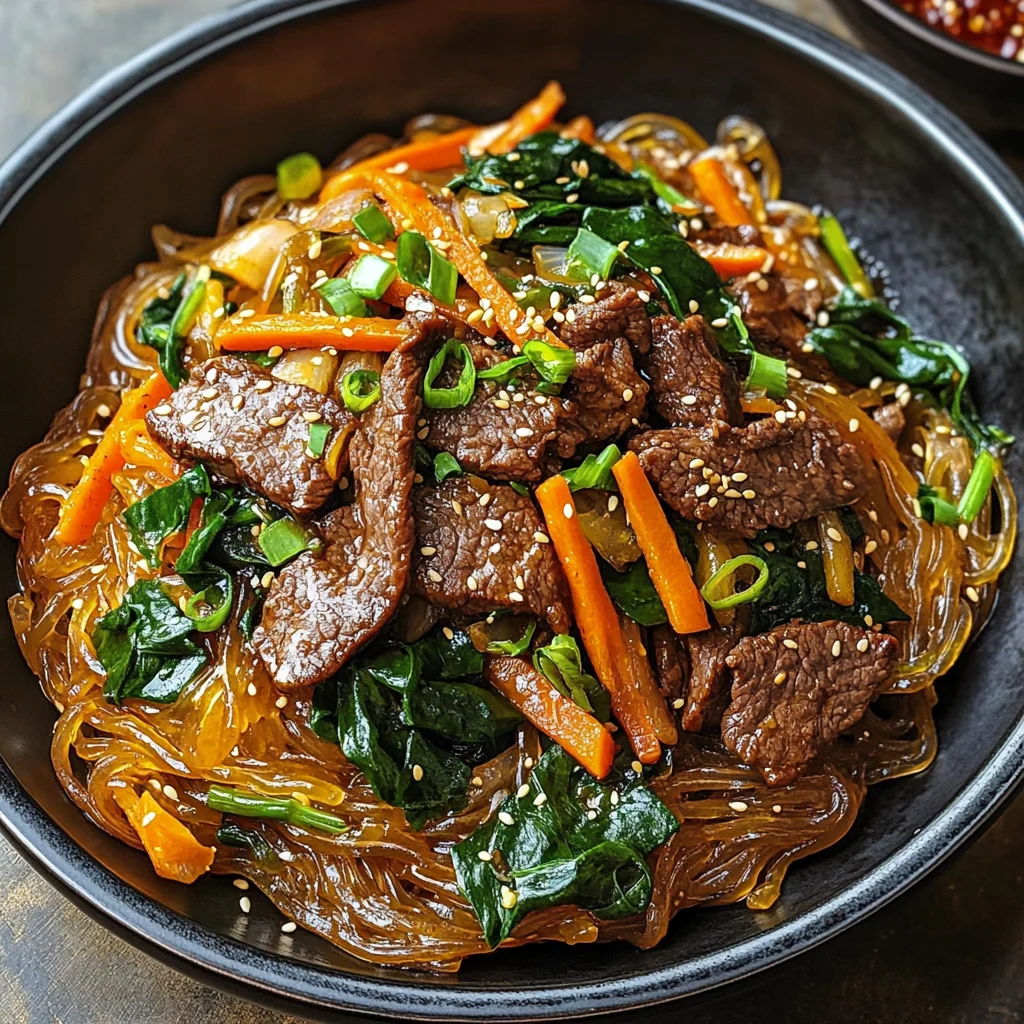
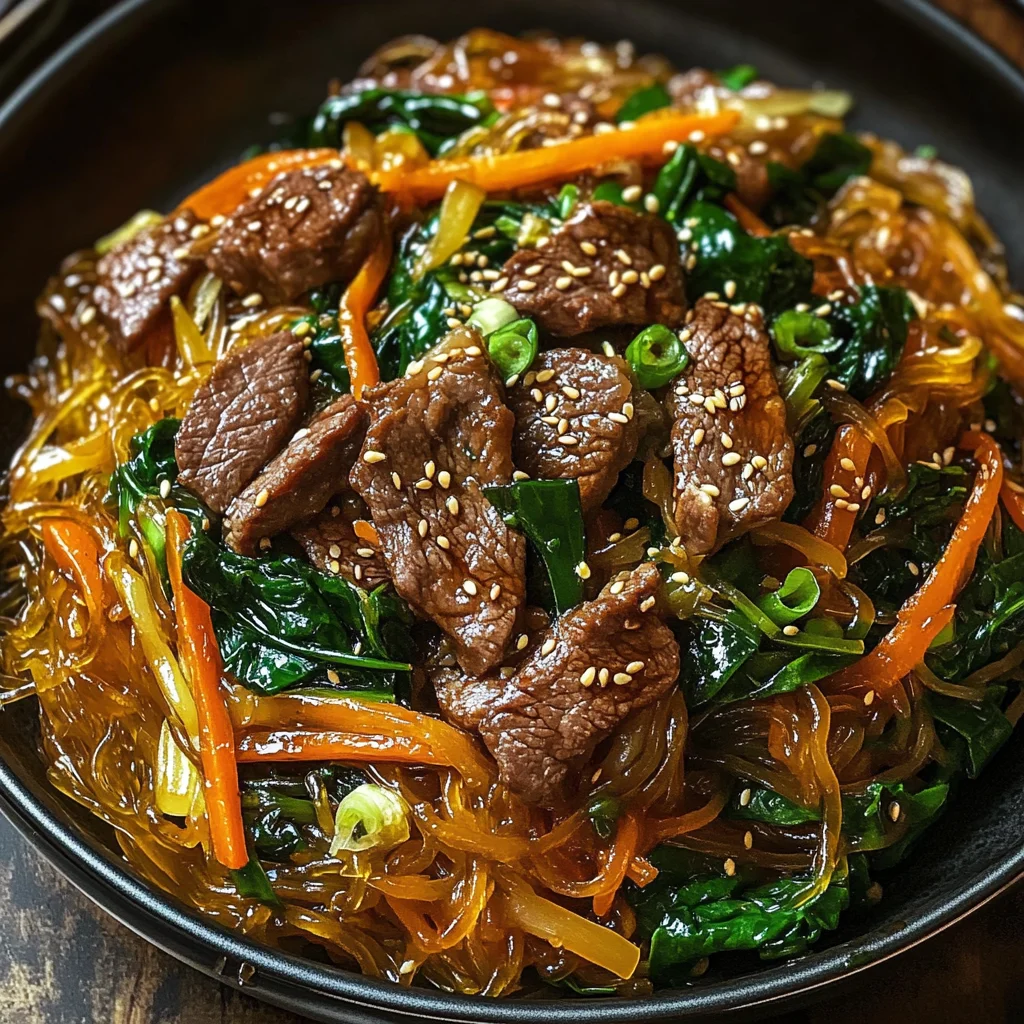
If you’re looking for a delicious and comforting dish that’s sure to impress, let me introduce you to Japchae. This traditional Korean recipe is one of my absolute favorites! The chewy sweet potato glass noodles combined with vibrant vegetables create a colorful and flavorful meal that warms the heart. It’s perfect for busy weeknights or family gatherings when you want something special without spending all day in the kitchen.
What makes this Japchae so wonderful is its versatility. You can easily customize it based on what you have on hand or your personal preferences. Whether you decide to add beef, chicken, tofu, or shrimp, each variation brings its own delightful twist. Plus, the savory blend of soy sauce and sesame oil elevates every bite!
Why You’ll Love This Recipe
- Quick and easy: This dish comes together in just about an hour, making it perfect for weeknight dinners.
- Family-friendly: With its mild flavors and colorful presentation, even picky eaters will enjoy this meal!
- Make-ahead convenience: Japchae tastes fantastic the next day, so you can prepare it in advance and save time.
- Customizable: Feel free to swap out proteins or veggies based on your family’s favorites or dietary needs.
- Deliciously nutritious: Packed with fresh vegetables and wholesome ingredients, this dish is both satisfying and good for you.
Ingredients You’ll Need
Let’s gather some simple and wholesome ingredients to make this delicious Japchae. You probably already have many of these staples in your pantry! Here’s what you need:
For the Noodles
- 2 lb thin-sliced beef (or sub with chicken, tofu, or shrimp)
- 1 lb Korean sweet potato noodles (glass noodles)
For the Vegetables
- 3 medium carrots, julienned
- 1 large white onion, thinly sliced
- 1/2 bunch green onions, chopped
- 6 garlic cloves, minced
- 1/2 lb spinach leaves
For the Seasoning
- 4 tbsp sesame oil (divided)
- 1 tbsp olive oil
- 6 tbsp soy sauce (or tamari for gluten-free)
- 3 tbsp brown sugar
Variations
One of the best things about Japchae is how flexible it is! You can easily adapt this recipe to fit your taste preferences or dietary needs. Here are a few ideas to inspire you:
- Swap the protein: If you’re not a fan of beef, try chicken, tofu, or shrimp instead for a different flavor.
- Add some heat: Spice things up by incorporating Korean gochujang or chili flakes for a kick!
- Mix in more veggies: Feel free to toss in bell peppers, mushrooms, or zucchini—whatever you have on hand!
- Make it vegan: Simply substitute beef with tofu or mushrooms and ensure your soy sauce is plant-based.
How to Make Japchae
Step 1: Cook the Noodles
Start by bringing water to a boil in a large pot with a drizzle of olive oil. Add the sweet potato noodles and cook them for about 5-6 minutes until they are tender yet chewy. Once cooked, drain them well and set aside. Cooking the noodles first ensures they are perfectly al dente when we combine everything later!
Step 2: Sauté the Beef
In a skillet over high heat, cook the thin-sliced beef until it’s nicely browned. While cooking, season it with half of the soy sauce, sesame oil, and brown sugar. This step not only adds flavor but also creates delicious bits that will enhance the overall taste of your Japchae. Once browned, set aside.
Step 3: Stir-Fry the Vegetables
In another skillet, heat olive oil over medium-high heat. Add the julienned carrots and sliced onion; sauté until softened—this should take around 2-3 minutes. Then add in the remaining soy sauce, sesame oil, and brown sugar along with minced garlic and green onions. Cooking these ingredients together allows them to release their natural sweetness.
Step 4: Add Spinach
Next up is adding spinach! Toss it into your vegetable mixture and stir until wilted—this usually takes just about a minute. The spinach adds vibrant color as well as essential nutrients.
Step 5: Combine Everything
Finally, add all those beautiful veggies along with the cooked beef back into your pot of noodles. Toss everything together well in a large bowl until each ingredient is evenly distributed. Serve warm with extra green onions sprinkled on top if desired!
Now you’re ready to enjoy your homemade Japchae! Each bite will be filled with delightful flavors that remind you why this dish holds such a special place in my heart. Happy cooking!
Pro Tips for Making Japchae
Making Japchae can be a fun and rewarding experience, especially when you follow these simple tips to elevate your dish!
-
Choose the right noodles: Use authentic Korean sweet potato glass noodles for the best texture and flavor. They have a unique chewiness that distinguishes Japchae from other noodle dishes.
-
Prep ingredients ahead of time: Chop all your vegetables and proteins before you start cooking. This ensures that everything cooks evenly and helps you stay organized in the kitchen.
-
Don’t overcrowd the pan: When stir-frying, make sure to give each ingredient enough space to cook properly. Overcrowding can lead to steaming instead of frying, which affects the final texture.
-
Adjust the sweetness: Feel free to tweak the amount of brown sugar according to your taste. Some prefer a sweeter dish, while others enjoy a more savory profile.
-
Experiment with proteins: While beef is traditional, try substituting with chicken, tofu, or shrimp based on your preference or dietary requirements. Each protein adds its own unique flavor to the dish.
How to Serve Japchae
Serving Japchae can be as delightful as making it! Here are some ideas on how to present this beautiful dish for any occasion.
Garnishes
- Sesame seeds: A sprinkle of toasted sesame seeds adds a nutty flavor and an appealing crunch.
- Chili flakes: For those who enjoy some heat, a dash of chili flakes can bring an exciting kick to your plate.
- Fresh cilantro or parsley: A handful of fresh herbs not only enhances the presentation but also adds a burst of freshness.
Side Dishes
- Kimchi: This fermented vegetable dish provides a spicy kick and complements the flavors of Japchae perfectly.
- Cucumber salad (Oi Muchim): A refreshing side made from sliced cucumbers tossed in vinegar, sesame oil, and spices that balances the savory notes of Japchae.
- Steamed edamame: Lightly salted edamame offers a nutritious and protein-packed snack that pairs well with this noodle dish.
- Rice cakes (Tteokbokki): These chewy rice cakes can be stir-fried or served alongside Japchae for an additional textural element.
Enjoy creating your own version of Japchae and sharing it with friends and family!
Make Ahead and Storage
Japchae is a fantastic option for meal prep, as it keeps well in the refrigerator and makes for easy reheating throughout the week. Here’s how to properly store and maintain freshness:
Storing Leftovers
- Allow the Japchae to cool completely before storing.
- Place leftovers in an airtight container for up to 3-4 days in the fridge.
- If possible, store any protein separately to avoid sogginess.
Freezing
- Portion out the Japchae into freezer-safe containers or bags.
- Label with the date and freeze for up to 2-3 months.
- For best results, freeze without protein or vegetables that may lose texture.
Reheating
- Thaw frozen Japchae in the refrigerator overnight before reheating.
- Use a microwave or stovetop; add a splash of water or sesame oil to prevent sticking.
- Heat until warmed through, stirring occasionally.
FAQs
Here are some frequently asked questions about Japchae:
What is Japchae?
Japchae is a traditional Korean dish made from sweet potato glass noodles stir-fried with various vegetables and proteins, seasoned with soy sauce and sesame oil.
Can I customize my Japchae?
Absolutely! You can easily swap proteins like chicken, tofu, or shrimp based on your preference. Feel free to add more vegetables or even spice it up with gochujang!
How do I make my Japchae gluten-free?
To make gluten-free Japchae, simply use tamari instead of regular soy sauce. The rest of the recipe remains the same for delicious results!
Final Thoughts
I hope you enjoy making this delightful Japchae recipe as much as I do! It’s not just a meal; it’s a lovely way to bring family and friends together over good food. Whether you’re preparing it for a special occasion or just because, you’re sure to impress with this vibrant dish. Happy cooking, and may every bite bring you joy!
Dinner
Japchae

Discover the vibrant flavors and comforting textures of Japchae, a traditional Korean dish that is sure to become a favorite at your dining table. Made with chewy sweet potato glass noodles, colorful vegetables, and your choice of protein, this savory stir-fry is not only delicious but also incredibly versatile. Whether you’re preparing it for a busy weeknight dinner or a family gathering, Japchae comes together quickly and easily. The delightful combination of soy sauce and sesame oil elevates each bite, making it a satisfying meal for everyone. Plus, it’s perfect for meal prep—leftovers taste even better the next day!
- Prep Time: 20 minutes
- Cook Time: 30 minutes
- Total Time: 50 minutes
- Yield: Approximately 8 servings 1x
- Category: Main
- Method: Stir-Frying
- Cuisine: Korean
Ingredients
- 2 lb thin-sliced beef (or substitute with chicken, tofu, or shrimp)
- 1 lb Korean sweet potato noodles (glass noodles)
- 3 medium carrots, julienned
- 1 large white onion, thinly sliced
- 1/2 bunch green onions, chopped
- 6 garlic cloves, minced
- 1/2 lb spinach leaves
- 4 tbsp sesame oil (divided)
- 1 tbsp olive oil
- 6 tbsp soy sauce (or tamari for gluten-free)
- 3 tbsp brown sugar
Instructions
- Cook the sweet potato noodles in boiling water with olive oil for about 5-6 minutes until tender. Drain and set aside.
- In a skillet over high heat, cook the beef until browned; season with half of the soy sauce, sesame oil, and brown sugar.
- Sauté carrots and onion in another skillet with olive oil for 2-3 minutes; add remaining seasonings and garlic.
- Stir in spinach until wilted.
- Combine cooked noodles with sautéed beef and veggies in a large bowl; toss well to mix.
Nutrition
- Serving Size: About 1 cup (200g)
- Calories: 290
- Sugar: 5g
- Sodium: 700mg
- Fat: 14g
- Saturated Fat: 2g
- Unsaturated Fat: 12g
- Trans Fat: 0g
- Carbohydrates: 32g
- Fiber: 3g
- Protein: 15g
- Cholesterol: 45mg